
Holiday Letting Trends for the Cotswolds in 2026
The Cotswolds continues to prove why it remains one of the UK’s most resilient and desirable holiday letting markets....





by Laura Bell / Owner Advice
If you’re looking to purchase a holiday property in the Cotswolds, naturally you’ll be wondering where is the best place to invest.
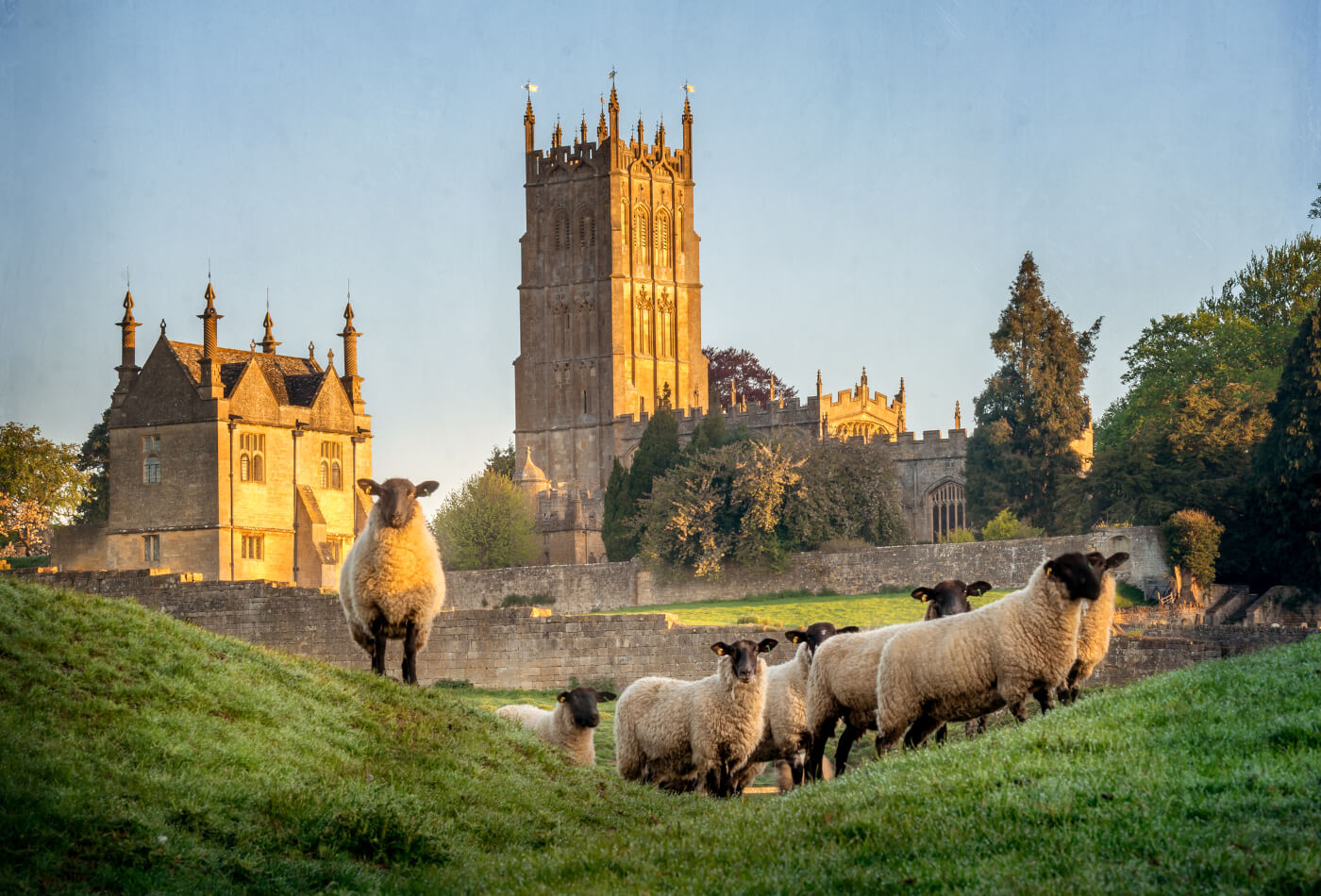
The Cotswolds is an area of natural outstanding beauty and makes up a mix of four counties. It’s an excellent place to invest in holiday property as it has excellent links to London and other major cities.
Read on for the Manor Cottages guide to the top places to purchase a holiday property in the Cotswolds.
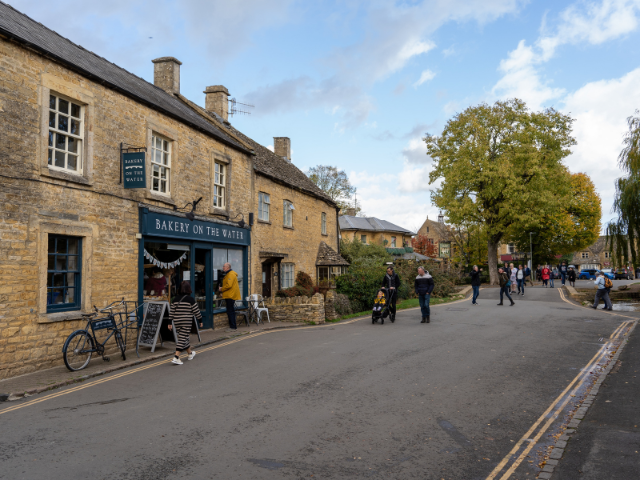
Bourton-on-the-Water is a great location to invest in the Cotswolds. With pubs-a-plenty, cute boutiques and cafes, it’s a buzz of activity year-round.
The motor museum and model village make up some of the renowned attractions in the area.
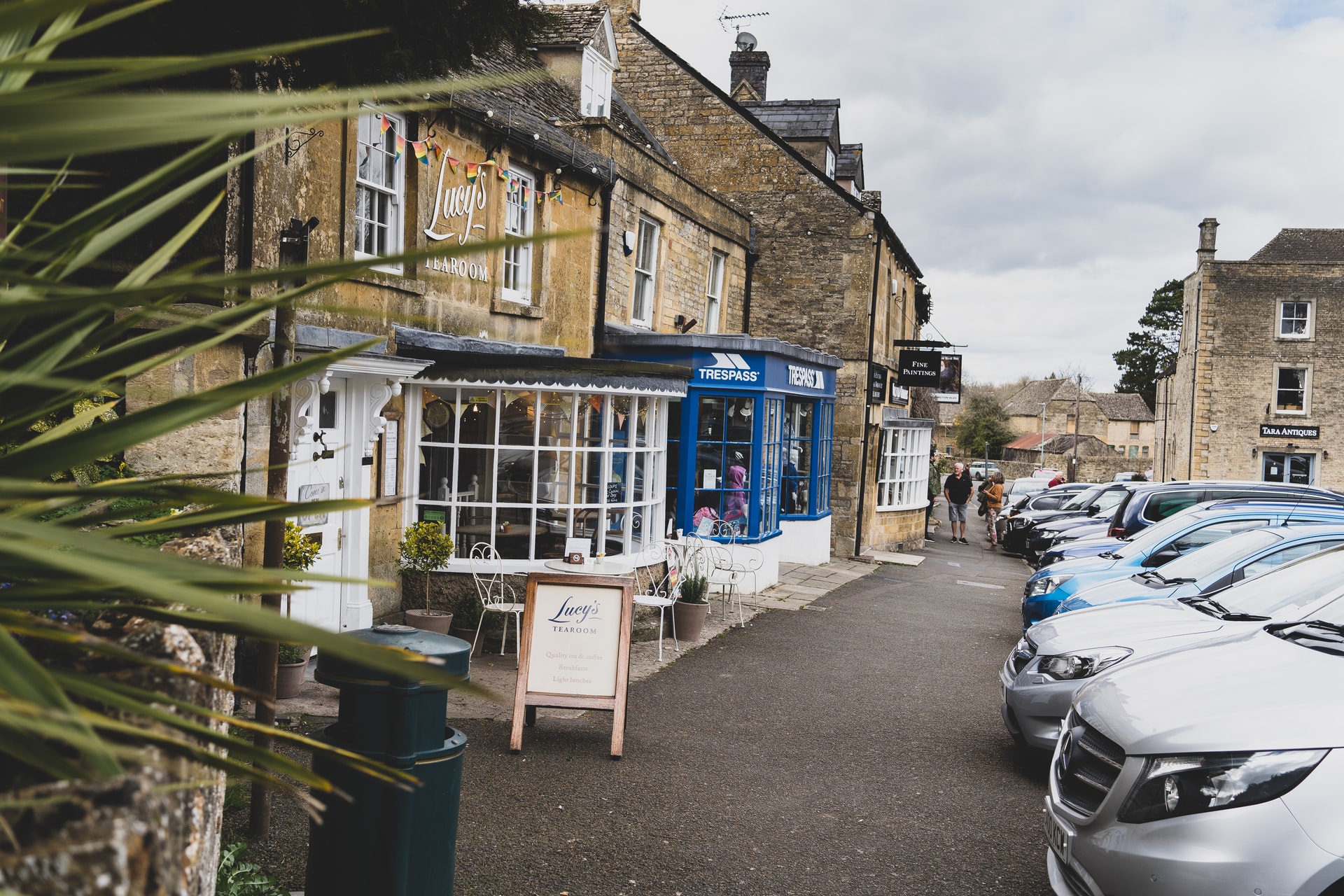
If you’re looking for a little more hustle and bustle, Stow-on-the-Wold is a charming little market town. The high street is full of cafes, shops, pubs, boutiques and more national chains than some of the other villages surrounding.
Stow-on-the-Wold is a great location to purchase a holiday property because it’s central and well connected.
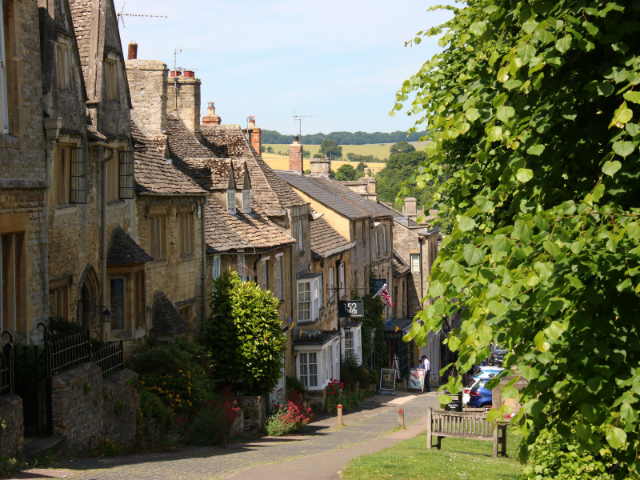
Burford is known as “the gateway to the Cotswolds” and is a charming place to invest in holiday property. It’s also where the Manor Cottages office is based.
Infamous for tea rooms and shopping, Burford high street is buzzing with activity and is close to Cotswolds Wildlife Park and Gardens.
Burford is also close in proximity to Oxford so there are many couples and families from nearby cities seeking a holiday cottage in the Cotswolds.
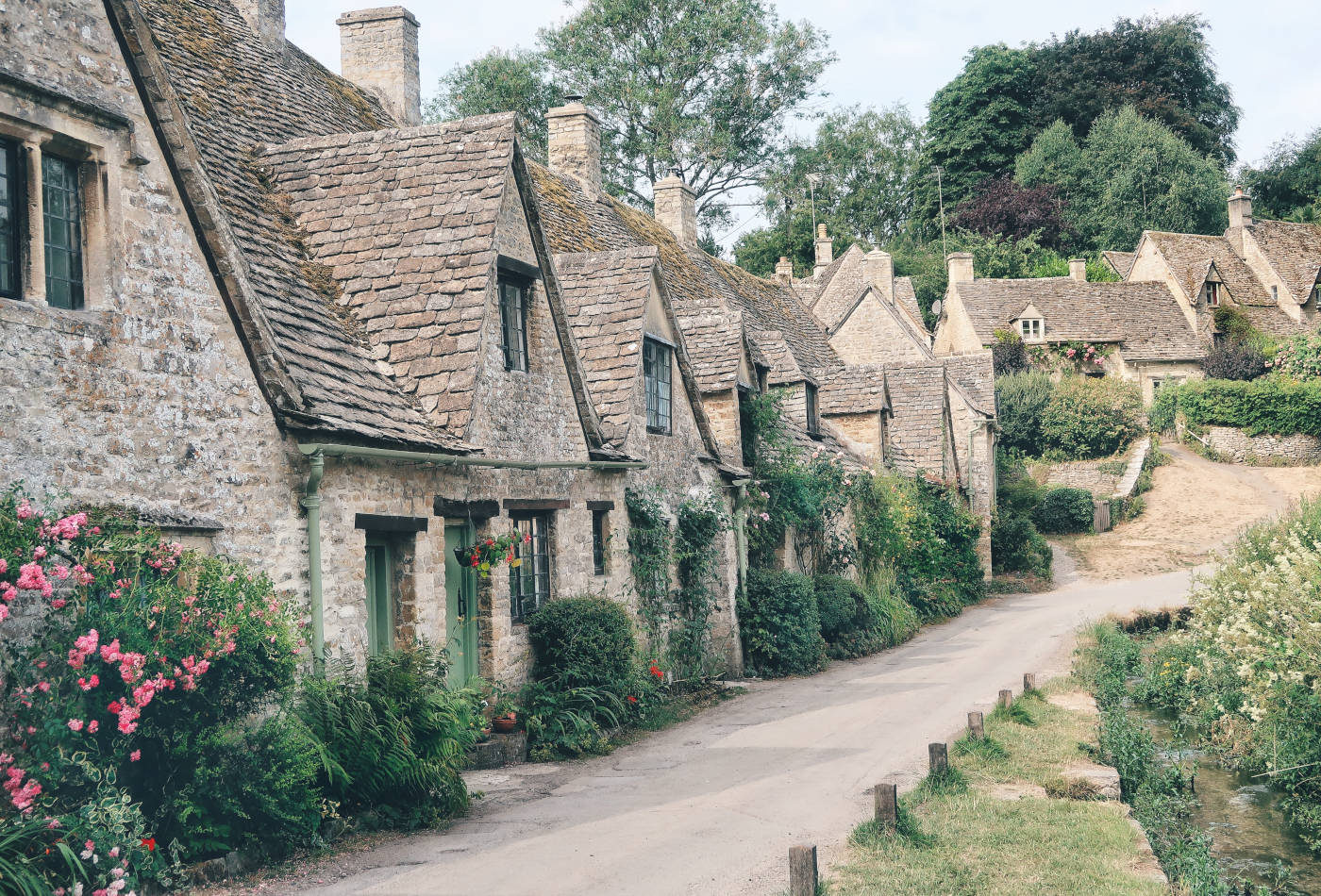
Home to one of the the most pictured places in the Cotswolds, Arlington Row, Bibury is a lovely village to invest in property.
Houses don’t pop up often however, and for very good reason. It’s a stunning village and attracts a lot of attention in the summer months.
The river Coln runs through the village with the Bibury Trout Farm being one of the top rated attractions.
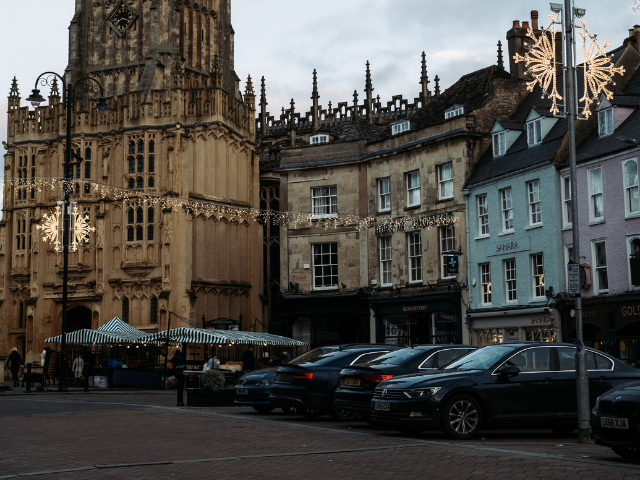
Dubbed as “the capital of the Cotswolds” Cirencester is mid-south of the Cotswolds, near to Swindon.
Easily commutable from surrounding towns and cities, Cirencester is a hub of activity and a really popular place for couples and families alike.
Cirencester is a great place to purchase a holiday property in the Cotswolds and is a central location.
Chipping Campden is a quintessential Cotswolds village. It’s a wonderful place to visit for boutique shopping and is home to the Court Barn Museum of Craft and Design.
Choosing to purchase a holiday property in Chipping Campden is a great idea. With the surrounding Broadway Tower as an attraction and other pretty Cotswolds villages surrounding, it’s a fantastic location.

Just 12 miles from Bath, Castle Combe is one of the prettiest villages in the Cotswolds. The bridge over the river is one of the most photographed places in the world.
As with Bibury, it’s extremely difficult to get property in this area but if you do, it will be worth its weight in gold.
Castle Combe is well connected to Bath and Bristol but also Wiltshire attractions such as Stonehenge.

If you’re looking to purchase a holiday property in the Cotswolds, at Manor Cottages we would love to guide you on your holiday letting journey. We represent hundreds of owners who own a second home in the Cotswolds and you could be one of them.
Budget & Financing
– Confirm how much you can invest (including purchase, furnishing, and setup costs).
– Speak to a mortgage advisor about a holiday let mortgage (different from standard buy-to-let).
– Budget 10–15% for purchase fees: stamp duty, legal fees, survey, mortgage arrangement, and insurance.
– Keep an emergency fund for maintenance and off-season cash flow.
Expected Returns
– Research average nightly rates in your target village (e.g. via Manor Cottages listings).
– Estimate annual occupancy (typically 60–75% in prime Cotswold locations).
– Deduct costs (management, utilities, cleaning, marketing, maintenance).
– Aim for a net yield of 4–7% depending on property size and involvement.
Tax & Allowances
– Understand Furnished Holiday Let (FHL) tax benefits: capital allowances, mortgage interest deductions, etc.
– Check if your property will qualify for business rates instead of council tax.
– Speak with a tax advisor about income tax implications and VAT thresholds.
Accessibility
– How far is it from major roads (A40, M4, M5) or train stations (Moreton-in-Marsh, Kemble, Bath)?
– Easy guest arrival = better reviews and higher occupancy.
Village Character
– Bourton-on-the-Water: High demand, strong year-round trade.
– Bibury: Iconic, but limited availability and premium prices.
– Stow-on-the-Wold / Burford: Excellent amenities and central base.
– Chipping Campden / Cirencester: Ideal blend of local life and visitor appeal.
– Castle Combe: Prestigious and rare — focus on luxury short breaks.
Amenities Check
– Pubs, cafes, village shops, walking routes — essential for guest satisfaction.
– Parking availability (often overlooked but crucial in Cotswold villages).
– Broadband and mobile coverage (especially for longer stays and remote workers).
Building Condition
– Commission a full survey (older Cotswold stone cottages may need roof, damp, or insulation work).
– Check listed-building or conservation restrictions before renovation.
– Factor in ongoing maintenance for period properties (stonework, windows, heating).
Size & Layout
– Two-bedroom cottages are the “sweet spot” for couples and small families.
– Open-plan living and outdoor space (courtyard/garden) add significant appeal.
– Consider storage for housekeeping (linen, cleaning supplies, owner items).
Energy Efficiency
– EPC rating of E or higher is required for letting.
– Install efficient heating (e.g. heat pump, log burner) to lower running costs and boost eco appeal.
Permissions
– Confirm residential vs. commercial use restrictions.
– Check local planning policies — some parishes have limits on holiday lets.
– Listed buildings may need consent for even minor alterations.
Safety Regulations
– Fire risk assessment and smoke alarms (interlinked systems recommended).
– Carbon monoxide detectors and PAT testing for appliances.
– Annual gas safety certificate and regular electrical inspection.
– Insurance that specifically covers holiday lets (not standard home insurance).
Cleaning & Changeovers
– Will you manage it yourself or hire a local team?
– Expect to pay £70–£150 per changeover, depending on size.
Maintenance
– Set up a local emergency contact for guest issues.
– Schedule deep cleans and maintenance checks quarterly.
Marketing & Bookings
– Use an agency like Manor Cottages for full-service management (marketing, bookings, guest comms).
– Invest in professional photos and an appealing online description.
Dual Use Planning
– Decide how often you’ll use the property personally.
– Block personal stays strategically to avoid peak income loss.
– Keep a secure owner’s cupboard for personal belongings.
Guest-Friendly Additions
– Consider pet-friendly options — increases booking demand by ~20–30%.
– Offer modern touches: Wi-Fi, streaming services, Nespresso, local welcome hamper.
Get Licensed & Listed
– Register as a business if eligible for rates relief.
– Set up utilities, broadband, council/business accounts.
– Join a local tourism network or Cotswolds visitor guide.
Launch Checklist
– Stage the property with quality bedding, décor, and local touches.
– Hire a professional photographer.
Talk to us at Manor Cottages today for your free pricing appraisal, or if you’d like us to give feedback on a property you’re looking to buy, we’re happy to help. Download your free owner pack here.
1. Why should I consider investing in a holiday property in the Cotswolds?
The Cotswolds is an Area of Outstanding Natural Beauty, offering picturesque villages, strong links to London and major cities, and a well-established holiday lettings market.
It combines tourism appeal with rural charm, making it a compelling location for a holiday home investment.
2. Which villages does the blog identify as top investment spots?
The guide lists the following seven places:
– Bourton‑on‑the‑Water
– Stow‑on‑the‑Wold
– Burford
– Bibury
– Cirencester
– Chipping Campden
– Castle Combe
3. What makes each village appealing for a holiday property investment?
According to the guide:
– Bourton-on-the-Water: Vibrant year-round tourist village with boutiques, cafes and major attractions.
– Stow-on-the-Wold: A central market town with strong connectivity and a high-street full of amenities.
– Burford: Called “the gateway to the Cotswolds”, popular with families and city-escapes.
– Bibury: Iconic and very picturesque, high tourist appeal though property supply is limited.
– Cirencester: Known as the “capital of the Cotswolds”, well-connected and good for families.
– Chipping Campden: Quintessential village feel, boutique shopping, surrounding countryside. Castle Combe: Extremely picturesque, strong “prestige” property location albeit very limited availability.
4. Are there any downsides or things to watch out for when selecting one of these villages?
Yes. Some considerations include:
– Property supply may be very limited (especially in iconic villages like Bibury or Castle Combe) making purchase harder and potentially more expensive.
– High tourist demand may bring peaks and troughs; you’ll want to understand local letting demand, seasonality and management costs.
– Accessibility and transport links vary—while some villages are well-connected, others may be more remote, which can impact occupancy and guest appeal.
– Competition and maintenance: tourist hotspots often have higher expectations of property standard, facilities, and guest services.
5. What criteria did Manor Cottages use to pick these seven villages?
Based on their guide, the key criteria seem to be:
– Tourist / letting appeal (attractions, visitor footfall)
– Good connectivity and accessibility
– A mix of local amenities (shops, cafes, pubs) to enhance guest experience
– Strong property-market recognition and prestige (which supports value and demand)
– Balanced between rental income potential and lifestyle use as a holiday home.
6. Does the guide cover how to manage the property or the letting side of things?
The guide is primarily focused on which villages to purchase in, rather than detailed management strategy. It does indicate that Manor Cottages are experienced in holiday letting and can support owners in the letting journey.
If you purchase a property you’ll still need to consider the letting operation: guest check-in/out, housekeeping, marketing, local regulation, etc.
7. What should I do next if I’m interested in buying a holiday-let property in one of these villages?
Recommended next steps:
– Contact Manor Cottages (or a specialist letting / sales agent) for guidance and a property-appraisal.
– Review recent market prices in the specific village you’re interested in (property price, rental yield, letting demand).
– Consider your proximity to the property, your involvement (owner-managed vs fully managed) and your target guests.
– Check local planning, regulation, holiday-let licensing (if applicable in that parish).
– Visit the village(s) in person, stay briefly if possible, to assess guest experience, accessibility and local amenities.
8. Is the purchase only for holiday-let use, or can I also use it personally?
The guide implies that these are holiday-property investments, but you can usually use the property yourself (subject to letting availability and your letting manager’s policies).
If you intend to use it personally, consider blocked-out dates, self-use vs rental income trade-off, and how that affects your letting performance and your return.
9. How does property price correlate with letting and investment potential in these villages?
While the guide doesn’t give specific prices, external sources show that villages like these carry premium pricing due to their prestige and visitor demand. For example, a market overview shows: Fox Davidson
– Chipping Campden £525k average, detached ~£795k
– Stow-on-the-Wold £495k average, detached ~£750k
Higher purchase price means you’ll want stronger rental performance and/or resale potential to justify the investment.
10. What makes a “good” holiday-let village besides beauty and recognition?
Key features include:
– Good transport links / relative ease of access (important for guests)
– Proximity to visitor attractions and amenities (cafes, pubs, shops, walks)
– A strong and consistent visitor market, not just seasonal peaks
– A property stock that can deliver a high standard (so that guest reviews and repeat business work well)
– Manageable upkeep and running costs (remote, difficult access or poor infrastructure can raise costs)
– Local regulation and community attitude toward holiday-lets (some places may have restrictions or high property-running costs)
For more information about letting your cottage with us, complete the form below to request contact from our team. You’ll also receive a copy of our FREE Owner Guide.

Interested in letting a property outside of the Cotswolds? We’re proud to be part of Sykes Holiday Cottages, with a network of regional brands offering the same award-winning service across the UK. Enquire now to be put in touch with your local holiday letting experts.

Find out how we can work together. With over 25 years’ experience, our local expertise will give you peace of mind and bring you the bookings you deserve.
by Laura Bell / Owner Advice

Hi I'm Laura Bell and I love staycations! I'm a marketing executive for our South brands and have enjoyed 3 years of writing. I en...
Read More About Author
Sign up to receive exclusive offers, competitions and the latest news to your inbox, and you'll be entered into our monthly prize-draw 3 times!

The Cotswolds continues to prove why it remains one of the UK’s most resilient and desirable holiday letting markets....
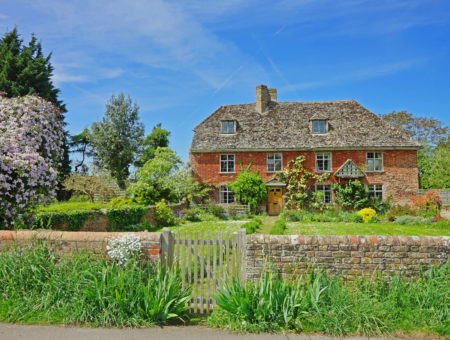
Historically the Cotswolds has been, and will continue to be, a lucrative choice when investing in a holiday home....
Manor Cottages isn’t just another Cotswolds holiday letting agency, we’re a long-established, trusted partner for holiday homeowners across the...

